How Much Does It Cost to Paint the Interior of a House?
Interior painting is priced per room or per square foot of wall, and labor makes up most of the bill. This guide shows how painters build an estimate, what pushes the price up or down, and what you can do before the crew arrives to keep the total in check.
How do painters price interior painting?
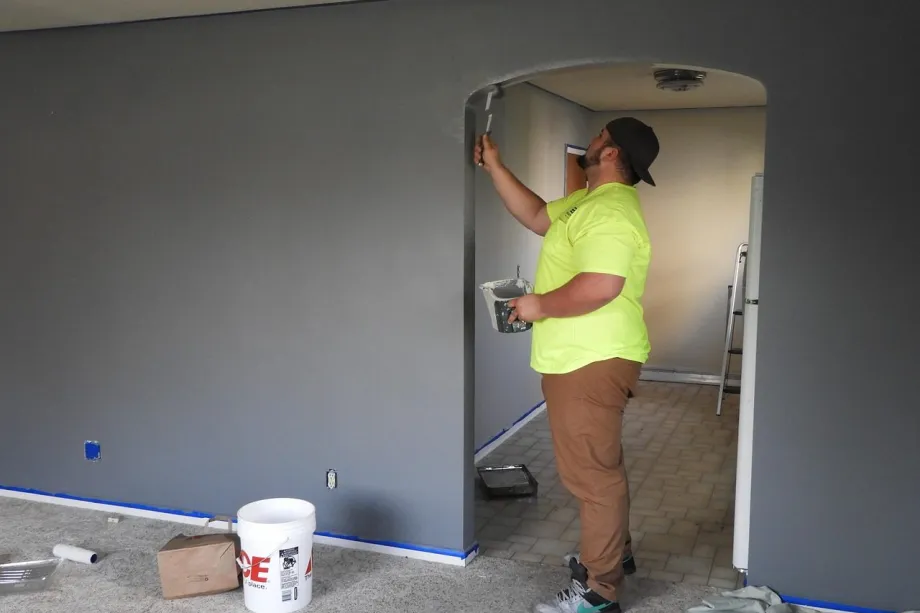
Painters use one of two methods: a flat price per room or a rate per square foot of wall area. A per-room quote covers the walls, ceiling and trim in one figure, so you can compare whole jobs at a glance. A square-foot quote multiplies the paintable wall area by a rate, which makes it easier to see what changes when you add a room or skip the ceiling.
Per-room pricing usually assumes an empty room with walls in fair condition, two coats and standard 8-foot ceilings. Square-foot pricing is more precise on open-plan spaces, stairwells and rooms with tall ceilings, where wall area is large but the room count stays the same. Ask which surfaces the rate covers before you compare bids.
- Per room: walls, ceiling and trim in one flat figure.
- Per square foot: a rate applied to measured wall area.
- Both methods assume two coats unless the estimate says otherwise.
- Square-foot quotes suit open-plan rooms and tall ceilings.
- Per-room quotes are easier to compare across contractors.
What drives the cost up or down?
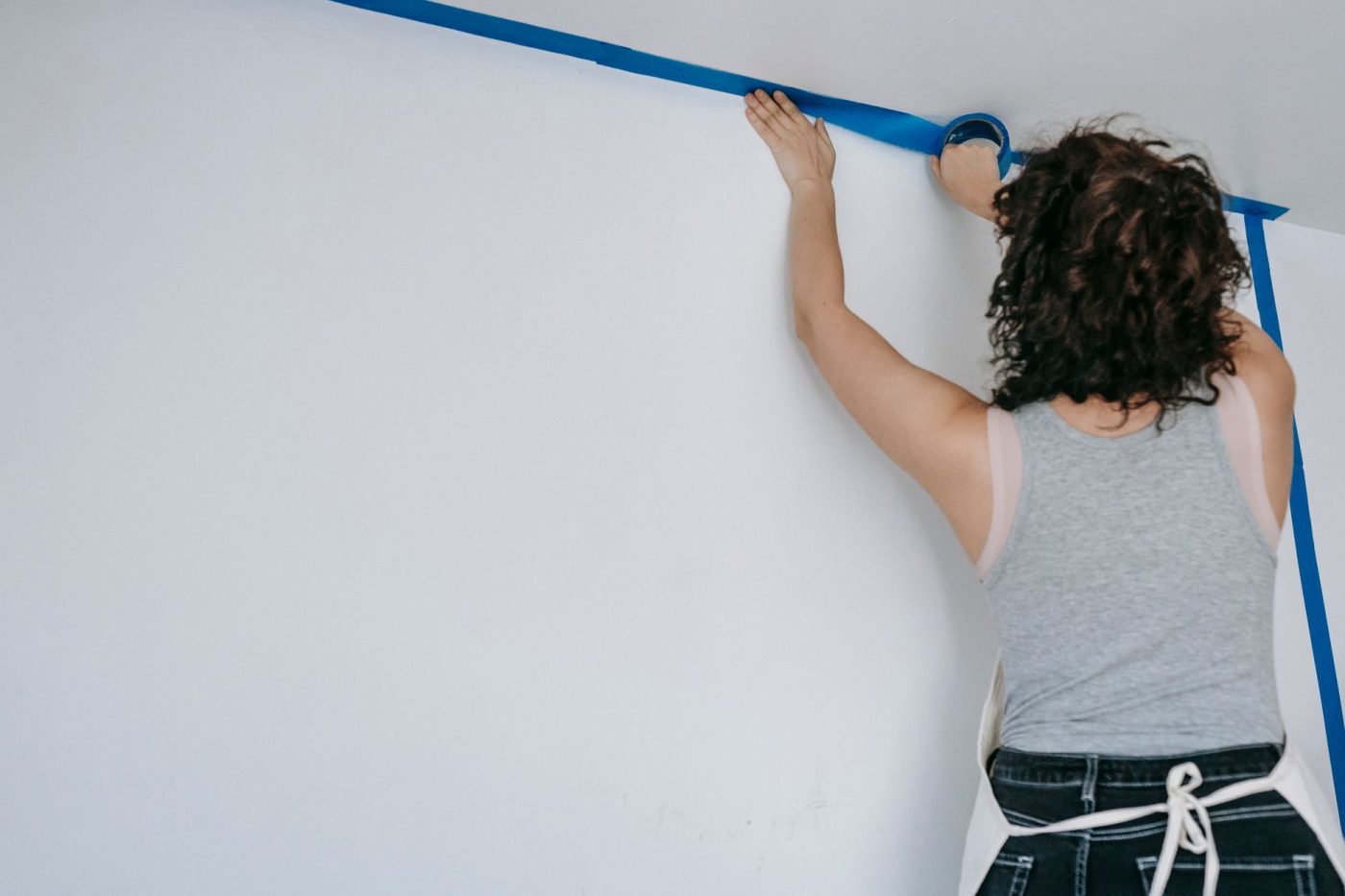
Ceiling height affects labor more than any other single factor. A standard 8-foot wall can be cut in and rolled from a stepladder, while a two-story foyer or a vaulted ceiling calls for staging, extension poles or a scaffold, and every one of those adds setup time to the job.
Wall condition sets how much prep the crew does before a brush touches the surface. The number of colors, the furniture and site access work the same way: each adds or removes hours from the schedule.
- Higher ceilings and hard-to-reach areas raise the estimate, while standard 8-foot rooms keep it lower.
- Walls with patching, sanding or stain blocking raise the estimate, while sound, clean drywall keeps it lower.
- Three or more colors raise the estimate, while one wall color plus a ceiling white keeps it lower.
- Heavy furniture still in the rooms raises the estimate, while cleared rooms and moved wall hangings keep it lower.
- Locked gates, tight parking or no water access raise the estimate, while easy entry and an on-site spigot keep it lower.
How much of the bill is labor?
Labor is the larger part of most interior painting bills; materials are the smaller part. On a typical room, paint and sundries such as tape, plastic and sandpaper come to a modest share of the total, while the crew's time makes up the rest. That split explains why two quotes for the same room can differ so much: the paint is roughly the same, the hours are not.
A crew's hours go into more than rolling walls. Masking trim and floors, moving and covering furniture, patching nail holes, sanding, cutting in at ceilings and corners, and applying two coats all take time, and prep often takes as long as the painting itself.
- Masking and protecting floors, trim and furniture
- Patching, sanding and spot priming repairs
- Cutting in clean lines at ceilings, corners and trim
- Rolling two full coats with dry time between them
- Final touch-ups and cleanup
A labor quote far below the others usually means the crew is skipping steps, most often prep and the second coat. Ask what the hours cover before you compare numbers.
Does the number of coats change the price?
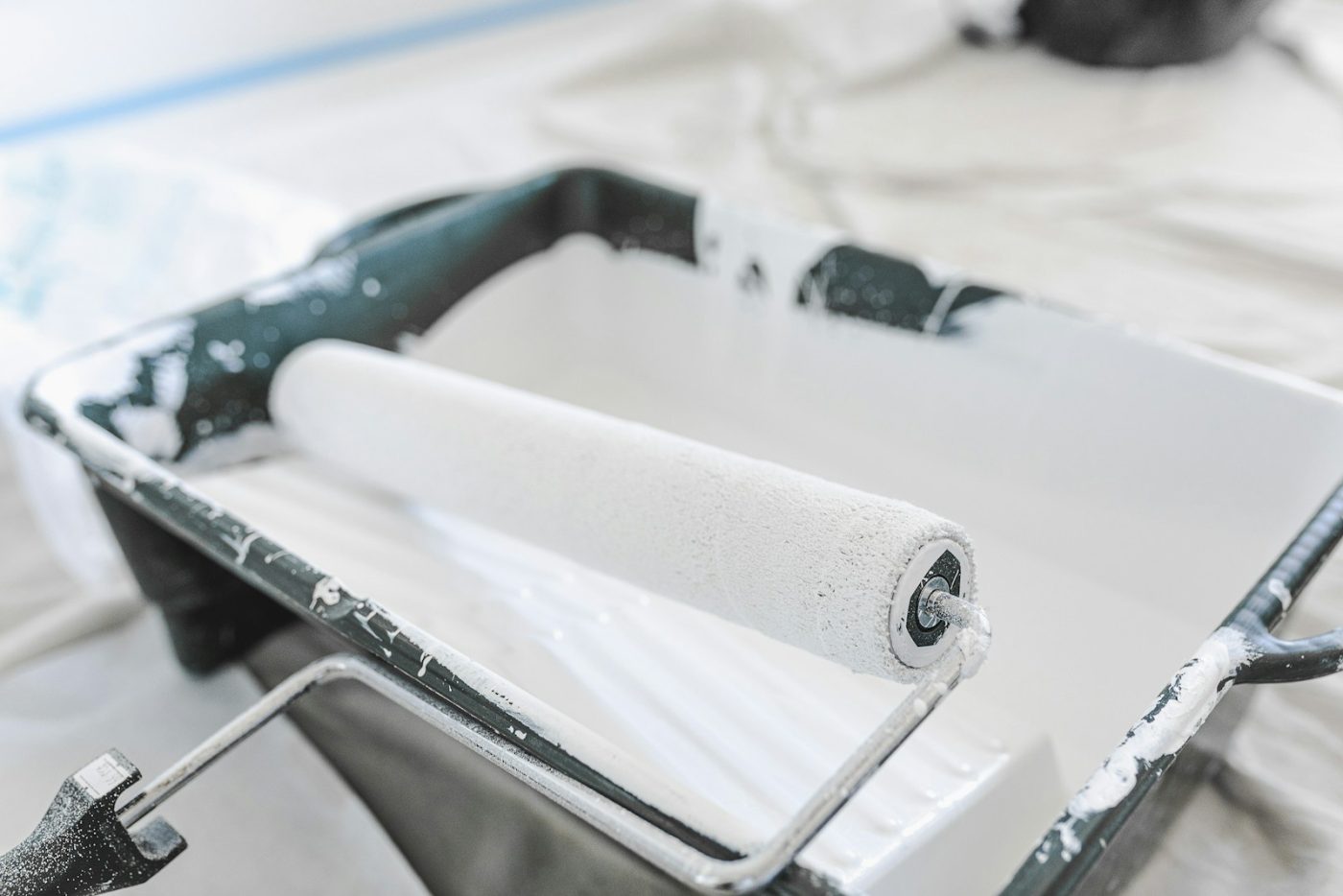
Yes. Each extra coat adds labor and paint, so a three-coat job costs more than a two-coat job on the same walls. Most interior repaints use two coats of finish paint, and that count is built into a standard estimate. A third coat is a separate line item you should see in writing.
One coat is enough only in narrow cases: the wall is already close to the new color, the existing paint is in good shape, and you are using a paint that hides well. Going from a dark wall to a light one usually needs three coats, because the old color keeps showing through the first pass. Strong color changes, reds and deep blues included, can take an extra coat as well.
- Two coats: the baseline for most color changes and normal wear.
- Three coats: dark to light, bold colors, or patched and repaired walls.
- Primer plus two coats: bare drywall, stains, or a major color shift.
- Tinted primer: cuts a coat when the jump in color is large.
What does prep add to the estimate?
Prep usually gets its own line item, and on walls in decent shape it accounts for roughly 10 to 20 percent of the interior painting bill. On older homes with cracked plaster, peeling paint or patched drywall, prep can climb to a third of the total or more.
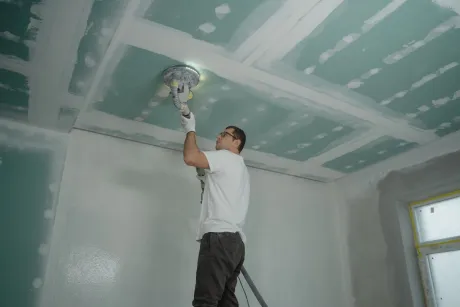
Each task is priced on its own: patching holes and sanding them smooth, caulking gaps at trim and along cracks, spot-priming bare patches or stains, and masking floors, trim and fixtures. Priming a whole room costs more than spot-priming because it adds a full coat and drying time.
- Patching and sanding nail holes, dents and cracks
- Caulking seams where trim meets wall and ceiling
- Spot-priming bare drywall, knots and water stains
- Masking floors, windows, doors and hardware
- Removing outlet covers and protecting fixtures
Can I lower the price without cutting quality?
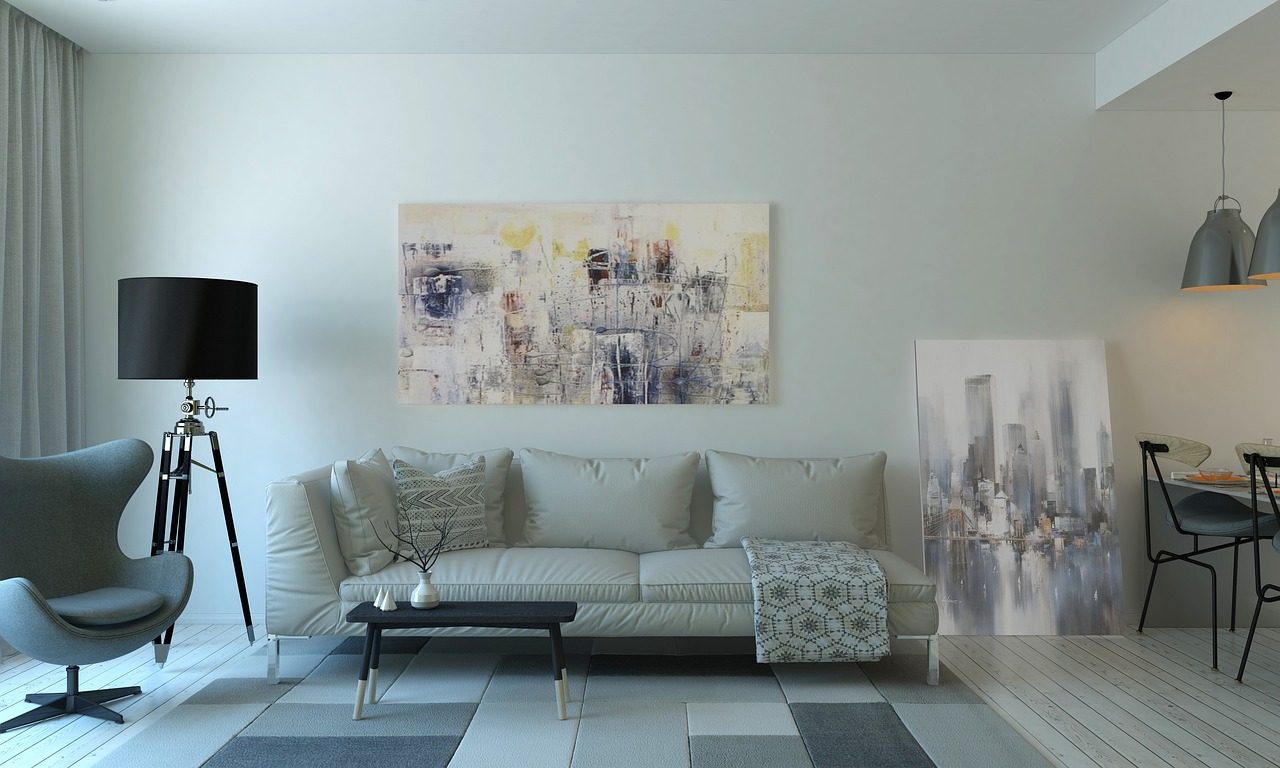
You can cut the bill by giving the crew fewer hours of work, not by asking them to skip steps. Most of the savings come from what you do before they arrive and from how you group the job.
- Clear each room before the crew arrives. Move furniture to the center, take pictures off the walls and remove outlet covers so painters spend their hours on paint, not on moving boxes.
- Repaint a color that is already on the walls. A same-color refresh usually needs fewer coats than a dark-to-light change, and the crew buys less paint.
- Group rooms into one visit. One setup, one masking run and one cleanup cost less than three separate appointments.
- Ask for a written scope that lists rooms, coats, prep and paint brand. You can compare bids line by line and drop work you do not need.
- Do minor prep yourself, such as patching small nail holes and wiping down trim, if the contractor agrees to it in writing.
Each of these lowers the price by cutting labor hours or materials, so the finish stays the same. Skipping primer or a second coat is not a saving, it is a shorter-lived result.
What should a written estimate include?
A written estimate should list every surface to be painted, the number of coats, the paint brand and sheen, each prep step, the start and finish dates, and the payment schedule. If any of these items is missing, ask for it in writing before you sign. A quote that lists only a total gives you nothing to compare.
Check that the estimate separates labor from materials and states how many gallons of paint it covers. It should name the brand and product line, not just "premium paint," and specify the sheen for walls, ceilings and trim. Prep items matter most: patching, sanding, caulking, priming and moving furniture all belong on the page, along with who protects floors and covers fixtures.
- The estimate lists each room and the surfaces included in the job.
- It states the number of coats and the product name with its sheen.
- Every prep step appears as a separate line, including priming bare patches.
- Start and completion dates are written down, not promised verbally.
- The payment schedule shows the deposit and when the balance is due.
Frequently asked questions
Is it cheaper to paint one room or the whole house at once?
Painting the whole house at once usually costs less per room. The crew sets up, masks and cleans once instead of repeating that work for every room, and paint is bought in larger quantities. Grouping several rooms into one project is the simplest way to bring the per-room figure down.
Do I pay for paint separately from labor?
Most estimates combine labor and materials into one price, though some painters bill paint separately. Ask which paint brand and sheen the quote assumes, because the paint line can shift the materials share noticeably. A written breakdown makes the two quotes comparable.
How long does interior painting take?
A single room typically takes one to two days including prep and drying time between coats. A whole house runs from several days to a couple of weeks depending on size, the amount of patching and how many colors are involved. Weather and humidity affect how fast the coats dry.
Should I move furniture before the crew arrives?
Moving small items and clearing walls yourself saves the crew time and keeps the estimate lower. Painters usually move and cover large furniture as part of the job, but ask about it in advance. Fragile and valuable pieces are best removed from the rooms being painted.