What Popcorn Ceiling Removal Costs and What Drives the Price
Popcorn ceiling removal is usually priced by the square foot, and the total depends on ceiling size, whether the texture contains asbestos, and how much repair and repainting the ceiling needs afterward. Here are the factors that move the number up or down, and what to ask before you hire anyone.
How is popcorn ceiling removal priced?
Most crews price popcorn ceiling removal by the square foot of ceiling area, measured from the floor plan rather than by the hour. Small rooms such as a bathroom or closet carry a minimum job charge, because setup and cleanup take the same time whatever the square footage.
The per-square-foot rate covers scraping, bagging the debris and hauling it away. Ask whether the figure includes testing, skim coating and repainting, since some quotes cover scraping only and price the rest separately.
- Ceiling area in square feet, room by room
- Whether a minimum job charge applies
- Scraping, disposal and protection of floors and furniture
- Testing, patching and repainting listed as separate lines
What raises the price?

Anything that adds labor, drying time or disposal raises the price. A textured ceiling in an empty room with good access is the cheapest case, and most of the items below add time on top of that.
- Asbestos in the texture means a licensed abatement contractor, containment and special disposal, which is a separate job from scraping.
- Popcorn that was painted over bonds to the drywall and comes off slowly, often with pieces of the paper face.
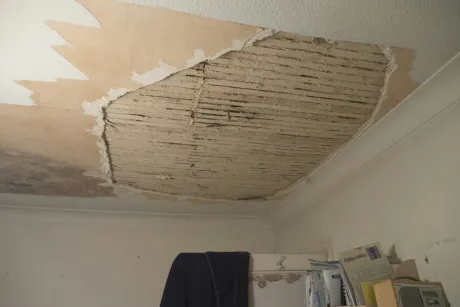
- Water stains and soft drywall mean cutting out and replacing sections before any new texture goes on.
- Vaulted or high ceilings need scaffolding or tall staging, and the crew works more slowly overhead.
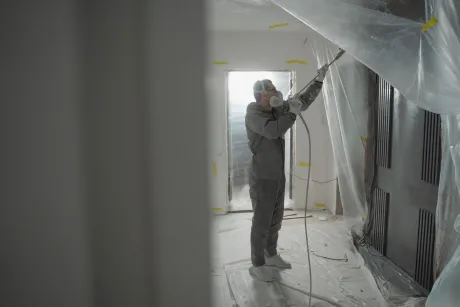
- Furniture, rugs and electronics have to be moved out or covered, and floors get plastic sheeting taped down.
Ask the estimator to list which of these apply to your rooms, so the quote reflects the actual ceiling rather than a flat rate per square foot.
Does the ceiling need testing for asbestos?
Yes, if your ceiling texture was applied before the mid-1980s, get it tested before anyone touches it. Popcorn texture from that era may contain asbestos, and scraping it releases fibers into the air. A lab test on a small sample settles the question, and it comes before any prep work.
A clean result means a normal removal job. A positive result changes the scope: licensed abatement crews seal the room, use negative air pressure and follow disposal rules, which adds time and cost to the project. Encapsulation, covering the texture instead of scraping it, is sometimes the cheaper route.
- The lab report names the material and the result in writing.
- Testing happens before scraping, sanding or dry removal.
- Abatement work requires a licensed crew and regulated disposal.
- Encapsulation avoids scraping but leaves the texture in place.
Is repair and repainting included in the quote?

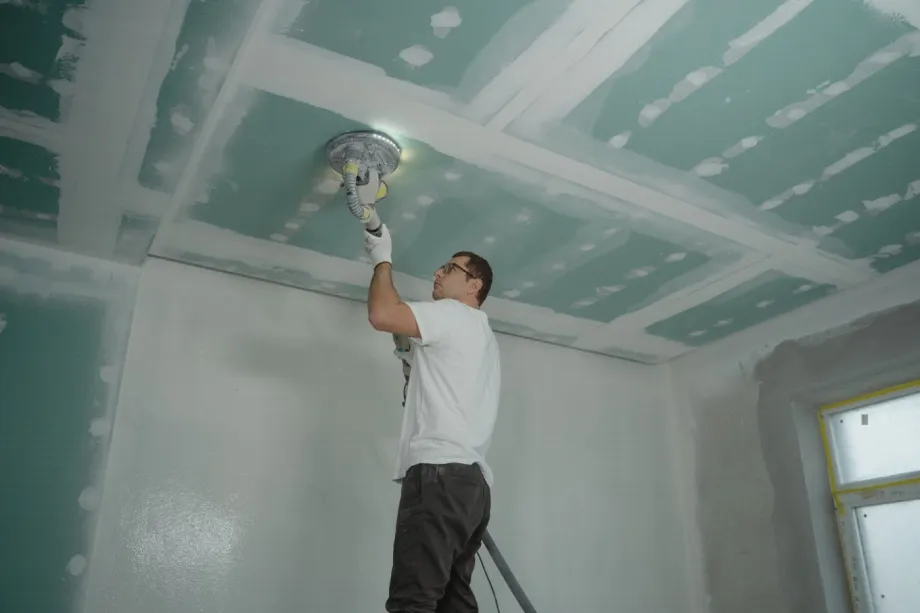
Most removal quotes cover scraping only, so ask before you sign. Scraping leaves a rough surface with gouges, seams and patches of old joint compound. A finished ceiling needs a skim coat of joint compound, sanding, a primer coat and two topcoats of paint.
Some contractors bundle removal, skim coating and painting into one price. Others quote each stage separately, which makes the total easier to compare. A quote that stops at removal leaves you with a bare ceiling and a second crew to hire.
- Skim coating fills gouges and levels the surface.
- Sanding smooths the compound before primer.
- Primer seals the surface so paint bonds evenly.
- Two topcoats give the ceiling its finish.
Can I remove a popcorn ceiling myself?

You can scrape a popcorn ceiling yourself if the home was built after 1980 and the texture comes off easily when misted with water. The work is messy more than it is complicated. Plastic sheeting goes down over the whole room, and the scraped texture lands everywhere.
Wet the ceiling in small sections and give the water a few minutes to soften the texture. Dry scraping tears the paper face of the drywall and turns a simple job into a taping and sanding repair. Ceilings above about 8 feet need a platform, and overhead work tires your arms quickly.
Homes built before 1980 may have asbestos in the texture, and scraping releases fibers into the air. Testing comes first in those homes, and a crew trained for the work is the safer call.
What should a written quote include?
A written quote should list the ceiling area in square feet, the ceiling height, and the condition of the surface before work starts. The same quote should show how the contractor handles testing, containment, disposal, and any repair or repainting. Get the document in writing before you pay a deposit, not after.
- The measured square footage and the ceiling height, so the price matches your rooms.
- Whether asbestos testing is included, and who pays for it.
- How the work area is sealed off, and how dust and debris are cleaned up.
- Who hauls away the removed material and pays the disposal fee.
- What repair and paint work is covered, and what counts as an extra.
- The payment schedule, with the deposit and final payment tied to stages of the job.
Compare two or three quotes line by line. A low total that leaves out disposal or paint often costs more once the crew is already in your home.
Frequently asked questions
Is popcorn ceiling removal cheaper than covering it up?
Removal and covering are priced differently, and neither is automatically cheaper. Covering with new drywall or paneling adds material and framing but skips scraping and asbestos handling. Ask for both options in writing and compare what each includes.
How long does the job take?
A single room usually takes a day or two for removal and cleanup, and repair and repainting add more time for drying between coats. Ceilings with asbestos or heavy damage take longer because the work happens in stages.
Will the ceiling look smooth after removal?
Yes, but only if the crew skims and sands the surface before painting. Scraping alone leaves ridges and patches from the old texture, so plan for a skim coat and a primer coat in the budget.