What It Costs to Repaint Kitchen Cabinets in 2026
Repainting kitchen cabinets costs $1,200 to $3,500 for a typical 10×10-foot kitchen. You will see how the price breaks down by method, labor and materials, what makes the bill higher or lower, and how to get a reliable estimate without overpaying.
What is the average cost to repaint kitchen cabinets?
For a standard 10×10 kitchen with about 20 linear feet of cabinet faces, a full repaint typically falls between $800 and $3,500 in 2026. The range is wide because the job can be done at three distinct service levels, each with its own preparation steps and materials. Your final bill depends far more on the labor than on the square footage.
Most professional painters quote by the linear foot of cabinet frontage, which helps you compare bids and see where the money goes:
- A basic refresh, where the painter scuffs the existing finish, spot-primes and applies one or two coats, runs $40 to $60 per linear foot.
- A mid-range refinish with full degreasing, light sanding, a bonding primer and two sprayed topcoats costs $60 to $90 per linear foot.
- A full strip-and-repaint starts at $90 and can reach $140 or more per linear foot. The painter removes the doors, strips the old finish to bare wood, fills the grain and applies a factory-style sprayed finish.
- Doors and drawer fronts make up roughly two thirds of the surface area, so the per-foot rate covers the frames as well as the removable parts.
- Kitchens with extensive trim, crown molding or island panels add linear footage and can push a standard 10×10 layout past the $3,500 mark even at mid-range pricing.
These figures assume the cabinet boxes are structurally sound and the painter can work on site. If the doors must travel to a spray booth, the quote usually includes a separate line item for transport and booth time rather than folding it into the linear-foot rate.
What makes the price higher or lower?
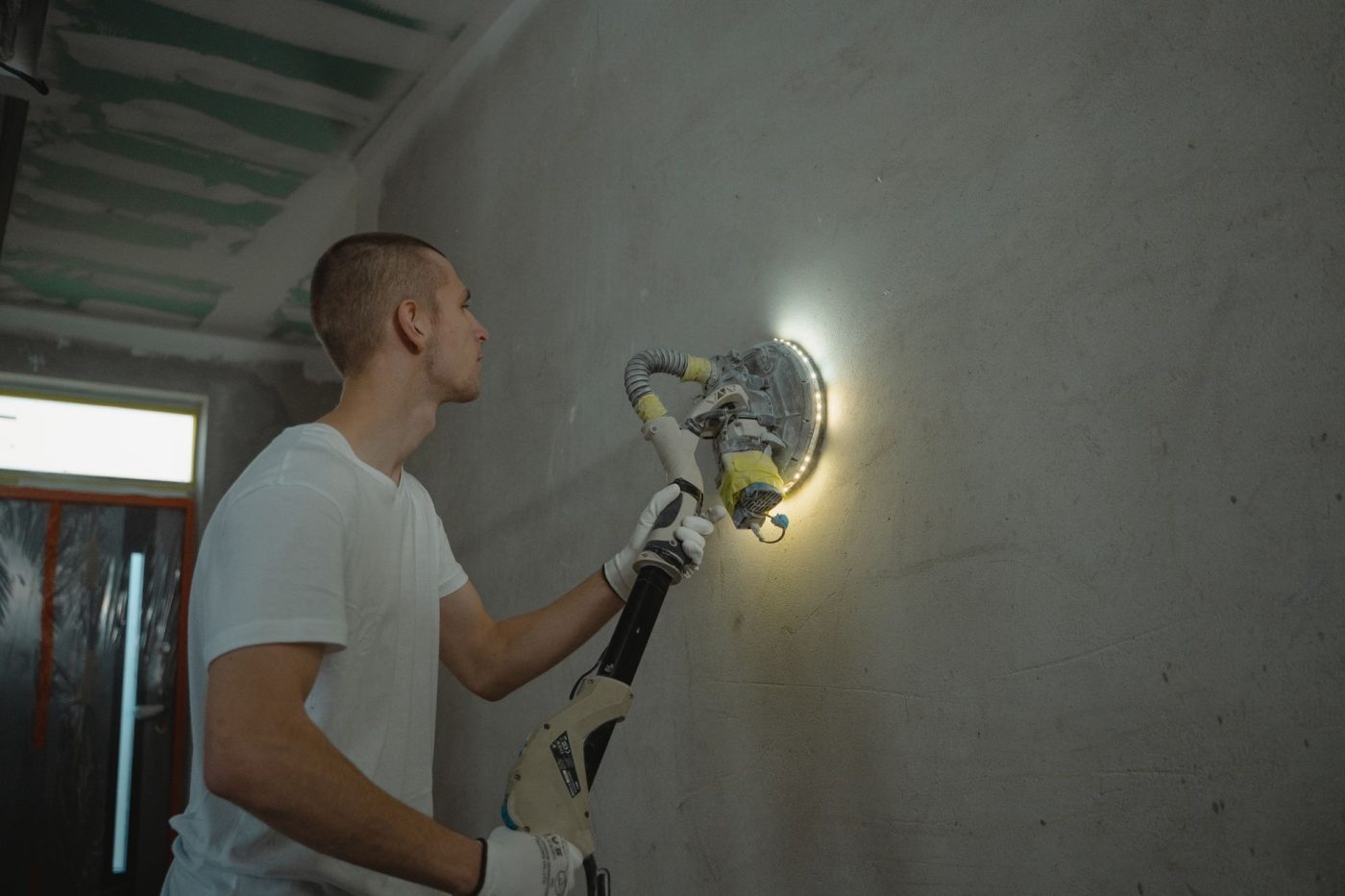
Kitchen size sets the baseline. A small kitchen with 10-15 door and drawer fronts takes fewer labor hours and less material than a large one with 25-35 fronts. Tall cabinets, end panels and open shelving all add surface area that must be sanded, primed and sprayed.
Door style is the next big driver. A flat slab door is the fastest to prep and paint. A five-piece Shaker door has more edges and corners, so it takes longer. Raised-panel and ornate routed profiles take the most time because every groove needs hand sanding before spraying.
Paint grade changes the material cost and the durability of the finish. A standard factory-mixed lacquer keeps the price down. A tinted conversion varnish or a two-pack polyurethane costs more but resists chipping and yellowing longer. High-gloss finishes also add labor because every imperfection shows.
Prep work takes the most hours. Cabinets with years of grease, silicone residue or peeling clear coat need heavy degreasing and extra sanding passes. If the existing paint is oil-based, the crew must test adhesion and may need a bonding primer. Water damage or loose joints add repair time before painting starts.
Location affects labor rates and travel time. A crew in a city center with paid parking and tight access will quote higher than the same crew in a suburb with a driveway and a garage they can use as a spray booth.
How do the three painting methods compare?
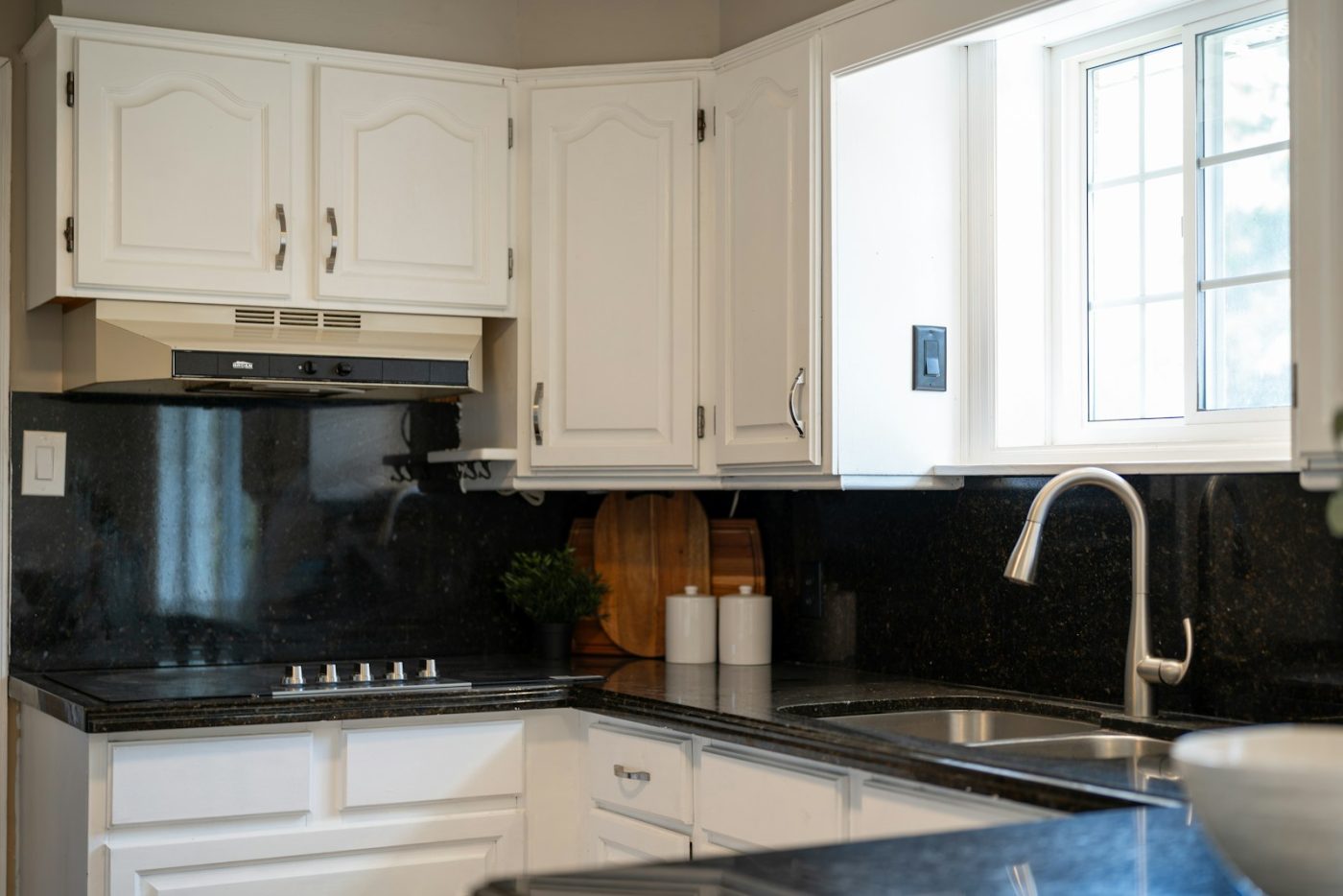
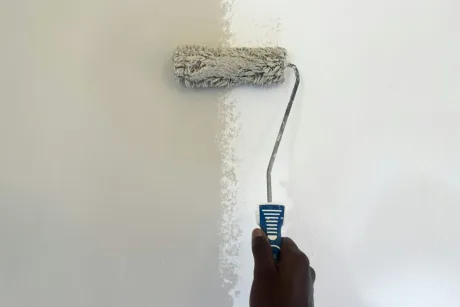
Brush-and-roller work costs the least because it needs no special ventilation or spray equipment. The finish is softer and will show fine brush marks on close inspection, though a skilled painter with a microfiber roller can get a smooth result on flat door fronts. Durability is good for low-traffic kitchens, but the film is thinner than a sprayed coat and may wear faster around handles. A typical kitchen takes 3-5 days.
Spray-only application delivers a glass-smooth surface with no brush strokes and is the standard choice for most repaints. The painter masks off the rest of the room and sprays several thin coats of lacquer or enamel, so the finish cures harder than rolled paint. Expect 4-7 days on site, with the cost running higher than brush work mainly because of masking time and the two-component paints used.
A full factory-style finish means the doors and drawer fronts are removed, transported to a spray booth and coated in a dust-free environment while the cabinet frames are painted by hand on site. The cured film is the hardest and most even of the three, and it resists moisture and scrubbing. This takes the longest, usually 7-14 days, but the result is indistinguishable from new factory cabinetry.
- Brush and roller costs the least, leaves subtle texture and suits solid-color matte paints on framed doors.
- Spray-only gives a seamless look on site and works well for satin and semi-gloss enamels.
- Factory-style spraying in a booth eliminates all airborne dust specks and produces the toughest finish.
- The longer the curing time built into the schedule, the harder the final surface becomes before the kitchen goes back into daily use.
Should I replace the doors instead of repainting them?
Replacing the doors costs two to three times as much as repainting them. Paintwork on a sound timber or MDF door is a surface issue. A new spray finish restores the original look for a fraction of the replacement price. You need new doors only when the existing ones are warped, cracked, water-damaged or delaminating, because paint cannot hide structural faults.
Refacing sits between the two options in cost. The cabinet boxes stay in place while the doors and drawer fronts are replaced and the visible side panels are covered with a matching veneer. It makes sense when the layout of the kitchen works well but the doors are beyond repair, yet the boxes are still solid and level.
A simple way to decide is to check the doors first. If they close squarely and the only problem is color or light scratching, repainting gives you a factory-grade finish without the waste and labor of a full replacement. If the hinges are pulling out of swollen chipboard or the frame is coming apart, new doors become the cheaper long-term choice because repainting will not hold.
How do I get an accurate quote without surprises?
A proper quote starts with a site visit, not a phone call. A painter needs to see the cabinet layout, count the doors and drawer fronts, and check the condition of the existing finish. Latex over old oil paint fails without the right primer, and a phone call cannot spot that.
Ask the contractor to break down the quote in writing. A clear estimate separates preparation from spraying and lists the primer and topcoat brands they plan to use. You also want to know how many coats of finish are included. Two coats of a two-component lacquer cost more than one coat of a single-component paint, but the durability difference is real.
The lowest bid often skips steps that become visible months later. To compare quotes fairly, ask every contractor the same questions:
- Do you remove the doors and drawer fronts and spray them in a separate area, or paint everything in place?
- What degreaser and primer do you use, and how many coats of each?
- Which topcoat brand and sheen are included in the price?
- Will you backbrush the primer on the frames, or spray only?
- What does the warranty cover, and for how long?
A bid 30-40 percent below the others usually means the painter skips degreasing, uses a cheap acrylic primer on old lacquer, or rushes the curing time between coats. The repaint fails in the first year, and fixing peeling cabinet paint costs more than doing the job properly the first time.
Frequently asked questions
Is it cheaper to paint kitchen cabinets myself?
Yes, materials alone may cost $200 to $600. The trade-off is time and durability. A factory-smooth finish requires spray equipment, dust control and two-component paints that are hard to apply in a lived-in kitchen. DIY jobs often start peeling within a year because the surface was not prepped to the same standard.
How long does a professional cabinet repaint take?
A crew of two usually needs four to seven working days for a full kitchen. About two-thirds of that time is prep: removing doors and hardware, cleaning, sanding and priming. The actual spraying takes a day, followed by at least 24 hours of curing before the doors are rehung.
Will the paint smell linger, and is it safe?
Professional painters use low-VOC or zero-VOC water-based lacquers and set up plastic containment and exhaust fans. Most of the solvent smell dissipates within 24 to 48 hours after the final coat. You can stay in the house during the work, though the kitchen itself will be out of use for the full project.