Can You Paint Over Wallpaper? What Happens and When It Works
Painting over wallpaper is technically possible, but it often leads to peeling seams, trapped moisture and a finish that looks worse than the old paper. This guide explains when you can get away with it, how to test your walls and the step-by-step method that gives the cleanest result if removal is not an option.
What happens when you paint over wallpaper?
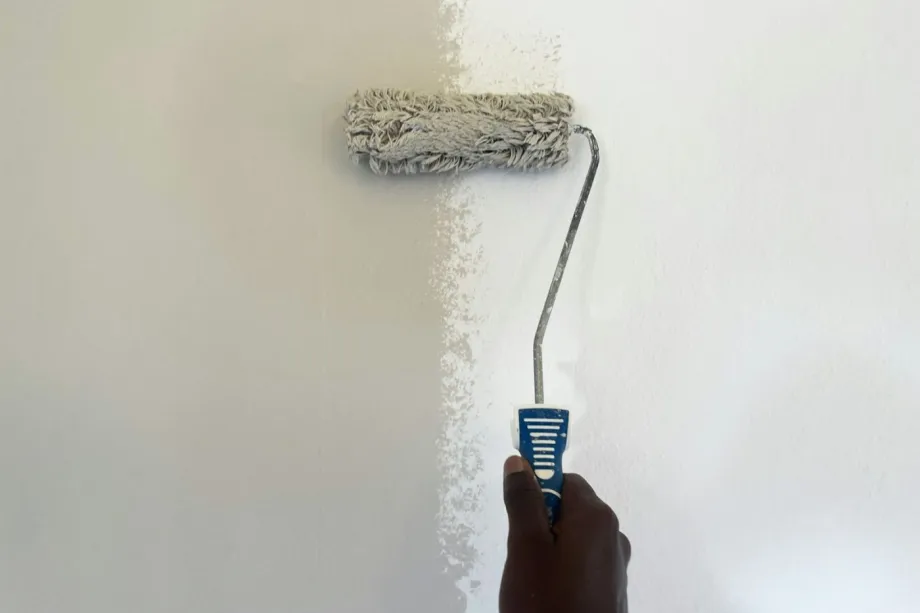
Paint contains water, and that water soaks through to the wallpaper paste. Old adhesive softens and loses its grip on the wall, so you get bubbles under the paper and seams that lift and curl within hours or days. Vinyl and coated wallpapers resist moisture longer, but the paint sits on the surface instead of bonding to the wall, which makes peeling almost certain over time.
The texture of the wallpaper comes through the paint. Embossed patterns, seams between strips and even the paper grain stay visible no matter how many coats you apply. Paint hides color but not relief, so the wall looks patched rather than smooth.
Removing wallpaper after it has been painted over is a much harder job. Paint seals the surface and stops water or steam from reaching the paper underneath during stripping. You end up scraping dry, stubborn layers instead of softening the adhesive, and the extra labor makes future redecoration slower and more expensive.
How do I test if my wallpaper can be painted?
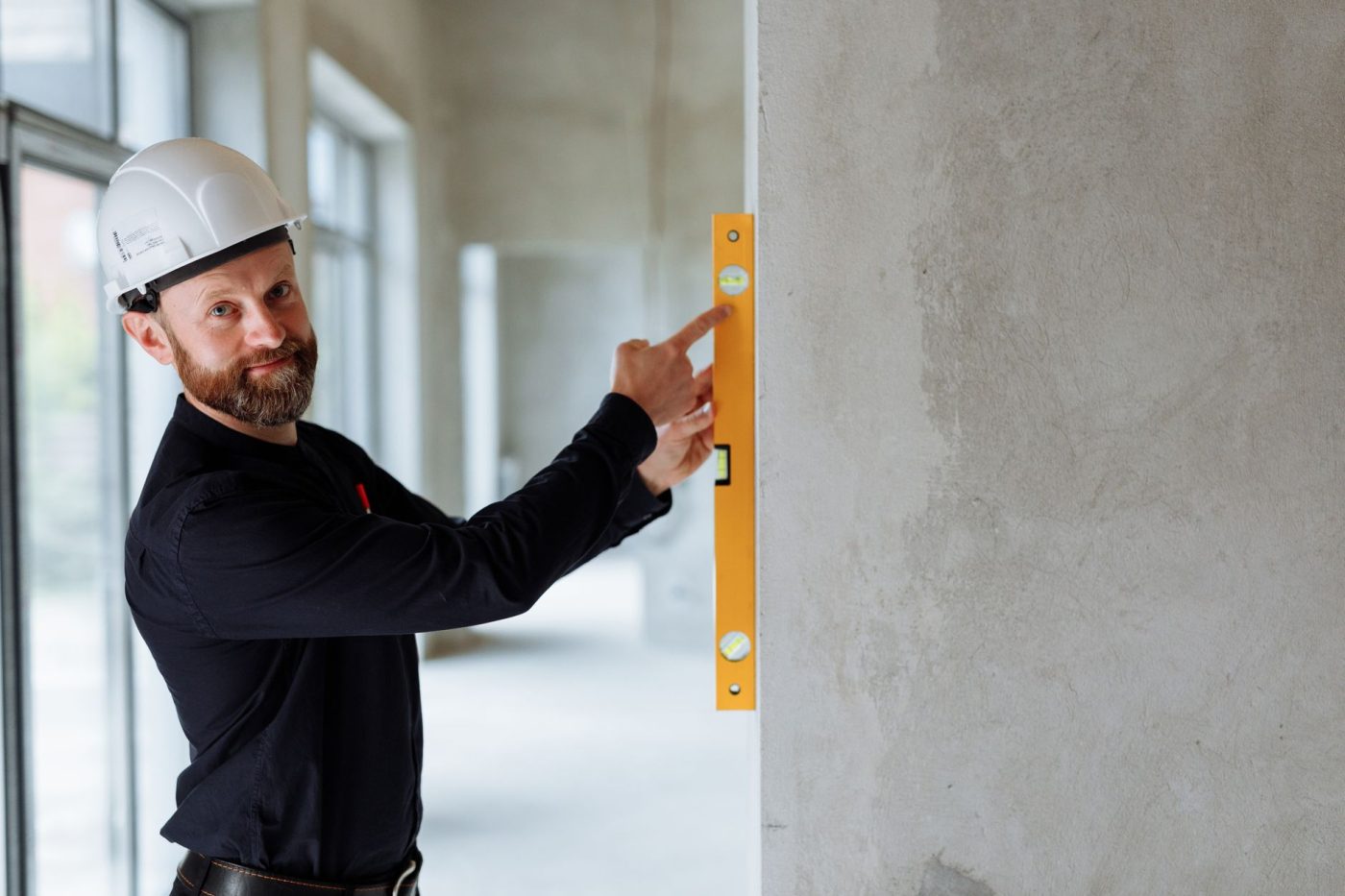
Test adhesion in a hidden corner, behind a door or a piece of furniture. Dampen a sponge with warm water and hold it against the wallpaper for about 30 seconds. If the paper starts to bubble, lift at the edges or the surface softens and rubs off, the wallpaper is not stable enough to hold paint. A wallcovering that stays flat and firm after the test can usually be painted, provided the other conditions below are met.
Check the whole room against this list before you commit:
- Check every seam. Press along each joint with your fingertip. Any edge that lifts, curls or feels spongy will show through the paint and needs to be glued down first.
- Look for air pockets. Tap the wall with your knuckles in a grid pattern. A hollow sound or a visible bubble means the paper has separated from the plaster and will crack when painted.
- Identify the surface layer. Vinyl-coated and foil wallpapers have a shiny, plastic-like face that paint cannot bond to. If a drop of water beads up and sits on the surface instead of soaking in, the covering is non-porous and cannot be painted directly.
- Inspect corners and edges around windows and baseboards. These areas are the first to fail because they trap moisture and temperature changes. Peeling here signals that the bond is already weak.
- Run your hand over the wall. Feel for texture inconsistencies, raised seams or patches where a previous owner may have applied a clear coat or a stain-blocking sealer that would repel new paint.
If the wallpaper passes all these checks and the adhesion test shows no bubbling or softening, you can move on to preparation. One failed area, especially a vinyl surface or widespread loose seams, means removal is safer.
Which wallpapers are safe to paint and which are not?
Traditional paper wallpaper and lining paper take paint well because they absorb the primer and let the coating bond with the paper fibers. Paintable textured wallpaper, sometimes called anaglypta, is made specifically to be painted and holds up for years when you use a water-based emulsion. These three types are safe to paint.
Vinyl wallpaper causes the most problems. Water-based paint sits on the plastic surface without soaking in, so it peels away in sheets the first time the room gets humid. Peel-and-stick wallpaper behaves the same way: the adhesive layer softens when wet paint touches it and the whole panel can slide or wrinkle. Fabric-backed and grasscloth wallpapers absorb paint unevenly, leaving blotches, and the moisture often dissolves the glue behind them.
Deeply embossed wallpaper is risky for a different reason. A roller covers the raised parts but leaves the recesses bare unless you work the paint in with a brush, which takes far longer than stripping the paper and painting a flat wall. If the embossing is shallow and the paper is labeled as paintable, it falls into the safe group, but test it first.
How to prep wallpaper for painting so it lasts
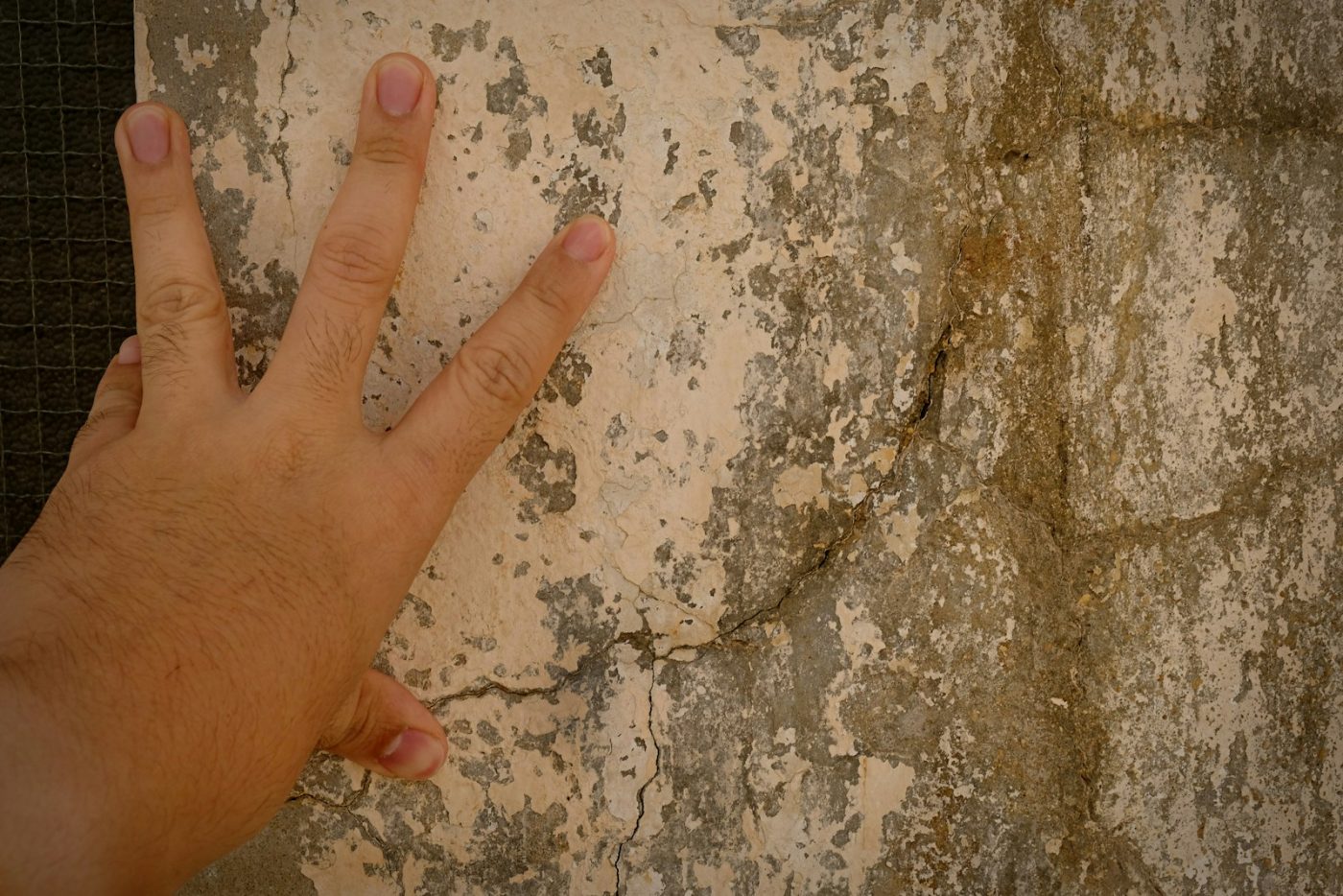
Preparation decides whether the paint job lasts years or peels in months. Wash the walls with a mild solution of warm water and sugar soap to remove dust, cooking grease and years of accumulated film that would block adhesion. Rinse with a clean damp cloth, then let the surface dry completely for at least 24 hours.
Next, inspect every seam and corner. Reglue any lifting edges or bubbles with wallpaper adhesive applied with a small syringe or brush, then press the paper flat and wipe away excess glue with a damp sponge. Sand glossy or vinyl surfaces lightly with 120-grit sandpaper to give the primer a mechanical grip, and vacuum the dust afterward.
The steps that separate a lasting finish from early failure:
- Wash the entire surface with sugar soap and rinse thoroughly; paint will not bond to grease or dust.
- Reglue loose seams, edges and bubbles with wallpaper adhesive and let them dry under light pressure.
- Lightly sand any glossy or vinyl wallpaper with 120-grit sandpaper to create a rough profile.
- Apply one coat of oil-based primer to seal the paper and block moisture from reaching the old adhesive.
- Caulk the perimeter where wallpaper meets baseboards, door frames and crown molding with a paintable acrylic caulk.
- Spot-prime the caulked seams once they cure so the topcoat sheen stays uniform across the wall.
What primer and paint work best over wallpaper?
A water-based primer will soak into the wallpaper paste and loosen it within hours. You need an oil-based or shellac primer to seal the surface without reactivating the old adhesive. A shellac primer dries in about 45 minutes and blocks stains from bleeding through, which matters when the wallpaper has a printed pattern. Oil-based primers take longer to dry but create a harder seal on textured paper.
After the primer cures fully, two coats of a water-based acrylic latex paint give you a durable finish. An eggshell sheen hides small surface imperfections better than a flat paint and cleans more easily than a matte one. A satin sheen reflects more light and stands up to scrubbing, so it suits kitchens and hallways. Whichever you choose, stick to one brand for primer and topcoat so the layers bond without reacting.
Step-by-step: painting over wallpaper without it peeling
A methodical sequence prevents moisture from loosening the adhesive underneath. Each coat must dry fully before the next one touches the surface. Rushing causes seams to lift and bubbles to form a week later.
You will need a vacuum with a brush attachment, a damp microfiber cloth, a high-adhesion primer, a short-nap roller and your chosen paint. Keep the room ventilated and the temperature above 59 °F throughout the work.
- Clean the wall with a vacuum brush, then wipe it gently with a barely damp cloth. Let the surface dry for at least 2 hours before opening a tin.
- Apply one even coat of high-adhesion primer with a short-nap roller and cut in the edges with a brush. Leave it to dry for the full time stated on the tin, usually 4 to 6 hours.
- Inspect the primed wall under a raking light. Press down any lifted seams with a small brush dipped in primer. Wait another hour for those spots to set.
- Roll on the first coat of paint in thin, even passes. Let it dry for the time the manufacturer specifies, commonly 2 to 4 hours for water-based paints.
- Apply the second coat and let it cure for at least 24 hours before hanging anything on the wall or touching it with cleaning products.
When should you remove wallpaper instead of painting it?
Painting over wallpaper is a temporary fix. If the paper itself is failing, no amount of prep will keep the paint on the wall. The most common deal-breaker is moisture damage. Stains that feel cool or soft to the touch, brown rings, or paper that lifts away from the wall on its own mean water has been getting in. Painting over damp paper traps the moisture and speeds up mold growth behind the new paint.
Multiple layers of old wallpaper are another red flag. When you can see seams on top of seams, or the wall surface feels padded under your hand, the weight of wet primer and paint can pull the bottom layers loose. Large areas of peeling paper, especially at the corners and along the baseboard, tell you the original adhesive is spent. A bathroom, laundry room or any space with high humidity and poor ventilation will keep testing the bond between paper and drywall. In those rooms, painted wallpaper rarely lasts more than a year before the edges start to curl.
- The wallpaper is already peeling in sheets, not just at one seam.
- You find two or more layers of paper under the top one.
- Water stains, soft spots or mildew are present on the paper surface.
- The room is a bathroom, kitchen or basement with high humidity.
- The wallpaper is a heavy vinyl with a fabric backing that soaks up water from primer.
- The walls feel spongy or give under light finger pressure.
Frequently asked questions
Will painting over wallpaper hide the pattern?
A dark or bold pattern often bleeds through water-based paint. An oil-based or shellac primer blocks most patterns, but deep textures and metallic inks can still show. A coat of primer followed by two full coats of quality paint in a flat or eggshell sheen gives you the best chance of hiding the old design.
Can I use water-based primer on wallpaper?
Water-based primers soak into the paper and can reactivate the paste underneath, which causes bubbles and lifted seams. An oil-based or shellac primer seals the surface without adding moisture, so it is the safer choice for painting over wallpaper.
How long does painted wallpaper last?
With careful prep and the right primer, painted wallpaper can look acceptable for a few years. Seams may eventually lift as humidity and temperature change, and the surface is never as durable as paint on bare drywall. In a low-traffic room with stable conditions, you might get five years or more before it needs attention.
Is it cheaper to paint over wallpaper or remove it?
Painting over wallpaper costs less upfront because you skip the labor of stripping and wall repair. The trade-off is a shorter-lasting finish and a tougher job when someone eventually does remove the paper. If the wallpaper is already loose or damaged, removal and fresh paint is often the better long-term value.