
How to Remove Wallpaper Without Damaging the Wall
Wallpaper on plaster comes off very differently from wallpaper glued straight to unprimed drywall. How to find out what you have, strip it dry or soak and scrape it, get every trace of paste off, and repair torn drywall paper before painting.
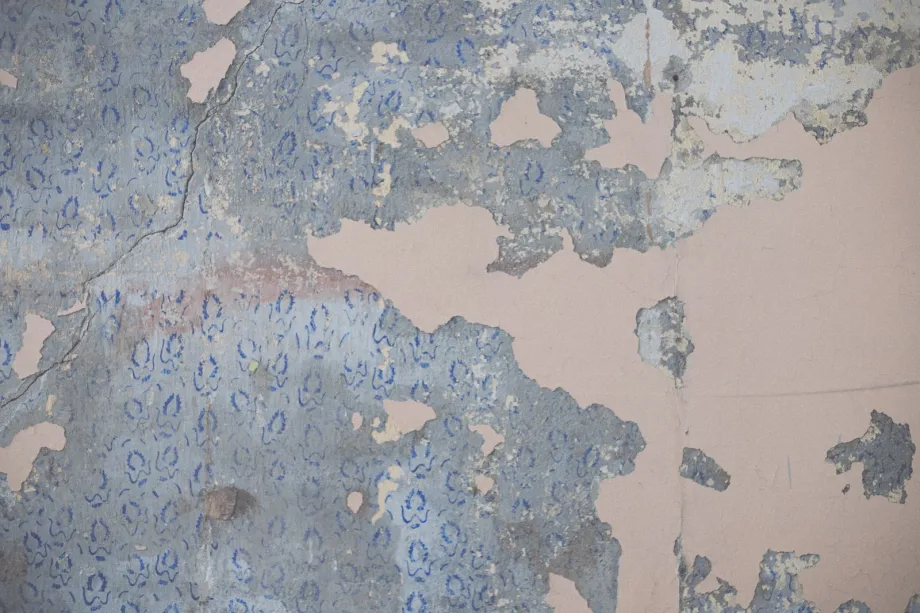
Identifying wall substrates and wallpaper types
Substrate evaluation comes first when planning wallpaper removal. Plaster walls found in older homes are hard, dense, and resistant to moisture. Metal scrapers rarely gouge plaster unless extreme physical force is applied. Drywall consists of a gypsum core covered by paper facing. Drywall is softer than plaster and vulnerable to gouging, water saturation, and paper tearing. Unprimed drywall is particularly fragile. If wallpaper was applied directly over unprimed drywall, the adhesive bonds directly into the drywall facing paper. Getting paper off unprimed drywall without damage takes little water and a lot of patience.
Identifying the wallpaper material dictates the removal method. Traditional paper wallpaper consists of cellulose fiber without protective synthetic coatings. Water penetrates traditional paper quickly. Strippable wallpaper is designed to peel off dry without leaving adhesive behind. Peelable wallpaper features a vinyl top layer that peels off dry, leaving a thin paper backing on the wall that easily dissolves with warm water. Solid vinyl wallpaper has a plastic film layer that seals out moisture completely. Non-woven wallpaper combines synthetic and natural fibers, making it strong, tear-resistant, and often easy to strip in full sheets.
Workspace preparation and safety
Liquid wallpaper removal creates water runoff and sticky paste slurry. Turn off the room's circuits at the breaker panel. Remove switch plates and outlet covers. Cover exposed electrical boxes with painter tape and plastic sheet strips to keep moisture out of wiring.
Move furniture out of the room or push heavy pieces to the center. Cover furniture with light plastic drop cloths. Protect flooring by laying heavy plastic sheeting along baseboards, securing edges with painter tape. Place thick canvas drop cloths over the plastic layer. Canvas absorbs water droplets and prevents slippery conditions, while plastic blocks moisture from soaking through to hardwood or carpet.
Testing and dry removal techniques
Always test paper behavior before applying water or steamers. Locate a discreet corner near a baseboard or seam. Slide a broad, flexible putty knife under the edge of a strip. Grasp the edge and pull slowly upward at a low angle.
If the wallpaper is fully strippable, entire sheets will lift off cleanly without tearing or gouging the surface. If the top decorative layer peels away cleanly while leaving a thin paper backing behind, you are dealing with peelable paper. Peel off the entire top layer across the room while dry. The remaining paper backing will absorb water rapidly and scrape off with minimal effort.
If the wallpaper tears into tiny shreds or refuses to lift, stopping dry pulling prevents gouging the wall. Water or steam assisted removal is necessary for these stuck sections.
Scoring and soaking non-porous layers
Vinyl coatings and painted wallpaper prevent water from reaching underlying paste. Softening the glue requires perforating the outer barrier so liquid can enter.
Use a rotary wallpaper scoring tool. Rolling the tool over the surface creates hundreds of small punctures in the outer film. Apply light, even pressure. Pushing too hard drives teeth through the paper into the drywall facing, creating permanent holes and tearing gypsum paper.
Prepare a soaking solution in a pump sprayer, spray bottle, or bucket. Mix warm water with liquid wallpaper remover concentrate or mild dish soap. Many removers add enzymes or surfactants that break down starch and wheat pastes faster than water alone.
Apply the solution generously with a sponge, roller or sprayer, a few feet at a time so it does not dry before you scrape, and give it time to soak in until the paper looks dark and saturated.
A wallpaper steamer is an alternative to liquid chemical removers. Steamer pads release hot vapor that melts paste quickly. Hold the pad against one section briefly, then move it to the next section while you scrape the one you just softened. Avoid holding the steam pad in one spot for too long on drywall, as heat and moisture delaminate drywall paper from the underlying gypsum core.
Scraping paper without surface damage
Scraping technique protects the wall surface beneath wallpaper. Use a flexible putty knife or a plastic wallpaper scraper. Avoid sharp metal razor scrapers on drywall, as sharp corners dig into soft paper surfaces easily.
Hold the blade at a low angle, slide it under the softened paper and push gently, working down each strip. If the paper resists, wet it again and wait. Forcing dry or partially softened paper off drywall tears away the facing paper.
Keep extra rags nearby to wipe off wet paper pulp and paste buildup from the scraper blade frequently. Toss scraped wet paper directly into trash bags rather than letting it fall onto drop cloths where it can dry into sticky lumps.
Removing wallpaper paste residue
Removing decorative paper is only half the job. Wallpaper adhesive remains on the wall as a clear, sticky, or chalky film. If paint is applied directly over paste residue, moisture in latex paint reactivates the adhesive. This causes fresh paint to crack, bubble, or peel within weeks.
Mix hot water with a small amount of liquid dish soap or trisodium phosphate substitute in a bucket. Dip a heavy-duty sponge into the solution, wring out excess water, and scrub the wall in circular motions. Work one small section at a time.
Rinse the wall with a clean sponge and clear water to remove remaining soap and dissolved paste. Wipe the wall dry with clean towels. Run a hand across the dry wall surface to check for residual stickiness. If the surface feels smooth and matte, the paste is gone. If the wall feels sticky or slick, repeat the scrubbing process. Then let the wall dry completely, ideally overnight.
Repairing torn drywall paper and surface defects
Scraping often reveals minor damage, such as small gouges or patches of torn drywall paper where brown backing paper is exposed. Applying water-based joint compound directly onto exposed brown drywall paper causes paper fibers to absorb moisture, expand, and create permanent bubbles under the patch.
Seal exposed brown paper before applying joint compound. Apply a thin coat of oil-based primer or shellac-based primer over torn areas using a brush or small roller. Shellac and oil primers dry fast and create a waterproof barrier that seals paper fibers completely.
Once the primer is dry, fill low spots and gouges with joint compound, feather the edges, let it dry and sand smooth with fine paper. Wipe away sanding dust with a microfiber cloth.
Priming and painting the prepared surface
Before painting, apply a full coat of dedicated wall primer to the entire wall area. A dedicated acrylic or oil-based stain-blocking primer seals repaired areas, blocks residual paste stains, and creates uniform surface porosity across the room.
Allow primer to dry according to manufacturer directions. Inspect the wall under strong directional light to check for minor imperfections or missed paste spots. Sand small bumps lightly if necessary.
Two coats of interior paint over the primer finish the job.
Frequently asked questions
What is the fastest way to test if wallpaper is strippable?
Lift a corner at a low seam with a flexible putty knife. Pull the sheet upward at a low angle using steady pressure. If the paper peels off in full strips without tearing or soaking, it is strippable paper.
Can you remove wallpaper with warm water and dish soap?
Warm water mixed with a few drops of dish soap works well for many cellulose papers. The soap breaks surface tension, allowing water to penetrate paste. Solid vinyl layers still require scoring prior to liquid application.
Why does bare drywall paper turn brown after wallpaper removal?
Drywall consists of a gypsum core wrapped in smooth face paper. Scraping too hard or pulling stubborn adhesive strips away top layers of white paper, exposing the brown backing paper underneath.
Can you paint directly over wallpaper glue residue?
No. The water in latex paint reactivates the old adhesive, and the paint cracks, bubbles or peels. Wash the paste off until the wall no longer feels slick or tacky, let it dry, and prime before painting.