Best Exterior Paint for Siding: How to Choose by Material
The right exterior paint depends less on the brand than on your siding material. This guide covers which paint type works on vinyl, wood and fiber cement, what to check on the label, and how much of the job is prep.
Which paint works on vinyl siding?
Vinyl siding needs a 100% acrylic latex paint labeled safe for vinyl. Acrylic latex stays flexible, so it moves with the panels as they expand in summer heat and contract in winter cold. Paint that cannot flex will crack and peel within a few seasons.
Stick to light colors close to the original shade or lighter. Dark colors absorb heat and can push vinyl past the temperature where panels warp and buckle. Some manufacturers offer vinyl-safe formulations in darker shades with heat-reflective pigment, so check the label before choosing anything bold.
Avoid oil-based and alkyd paints. They harden into a rigid film that does not expand with the vinyl, which leads to chipping, and they can react with the vinyl surface.
What should you check on the paint label?
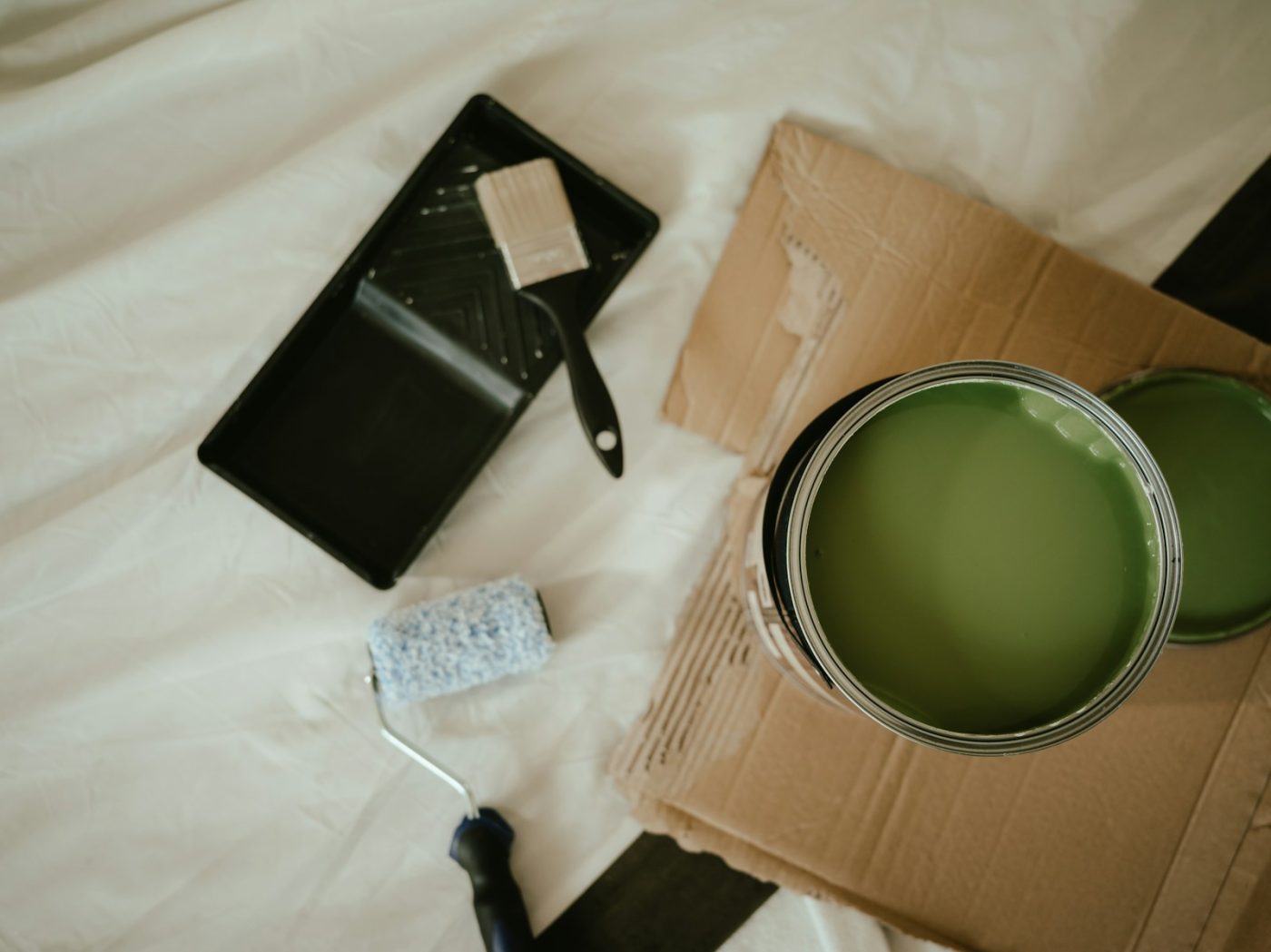
The resin line tells you the most about how a paint will hold up outdoors. A 100% acrylic label means the binder is all acrylic, which keeps the film flexible through freeze-thaw cycles. An acrylic blend or "acrylic-modified" label mixes in vinyl or other resins, and it usually costs less but chalks and fades sooner on sun-facing walls.
Check these label details before you commit to a color:
- An exterior rating printed on the can, not just "interior/exterior" in small type.
- A primer recommendation, since bare wood and chalky vinyl need different primers under the same topcoat.
- Dry and recoat times, which set how long a wall stays taped off.
- The color system the store tints in, because a color mixed in one brand's system will not match the same name elsewhere.
What is the best paint for wood siding?
For most painted wood siding, a 100% acrylic latex paint over a quality exterior primer is the reliable choice. Acrylic latex stays flexible as the wood expands and contracts with moisture and temperature swings, so it resists cracking and peeling better than stiffer films. On bare or heavily weathered wood, an oil-based or alkyd primer first helps block tannin bleed from cedar and redwood, which otherwise shows as reddish stains through the topcoat.
An alkyd topcoat can make sense on older, chalky or porous wood where you want a harder film and better leveling. The tradeoff is slower drying and less flexibility over time.
On rough-sawn cedar or wide-board siding, a penetrating exterior stain often beats paint. Stain soaks into the grain instead of sitting on top, so it will not peel, and recoating is usually just a cleaning and a single refresher coat.
How do you paint fiber cement siding?
Fiber cement takes paint well, but the boards absorb water, so the finish lasts only when a primer made for fiber cement goes on first and a 100% acrylic topcoat follows. Let the siding weather and dry before painting rather than coating it straight from the pallet, because fiber cement releases moisture in its first months and traps fresh coating behind it.
Check the manufacturer's repaint guidance for your specific product before you choose a sheen or a recoat window, since cure times vary by brand and thickness. For the topcoat, 100% acrylic holds color and flexes with the boards through freeze-thaw cycles.
- Wash the siding and let it dry completely before any coating goes on.
- Fill joints and nail heads, then spot-prime the repairs.
- Apply a fiber-cement primer and let it cure as the label states.
- Brush or roll the acrylic topcoat into the board texture, not just across it.
- Keep a wet edge and finish each run before it sets.
Does sheen matter on exterior siding?
Sheen affects both how the siding looks and how you clean it. Flat or matte finishes hide dents, waviness and rough patches on wide siding fields, which is why they are common on older wood and stucco. The tradeoff is that a flat surface holds dirt and is harder to wipe down.
Satin is the usual middle choice for siding. It sheds rain and dirt better than flat and still does not highlight every flaw. Semi-gloss cleans most easily, so painters tend to reserve it for trim, doors, shutters and railings rather than broad walls, where it makes surface flaws stand out.
On vinyl siding, stick with a flat or satin finish, because high sheen and dark colors absorb heat and can make panels warp. Whatever you pick, use the same sheen for touch-ups, since a different gloss level will show as a shiny patch.
How much does prep change the result?
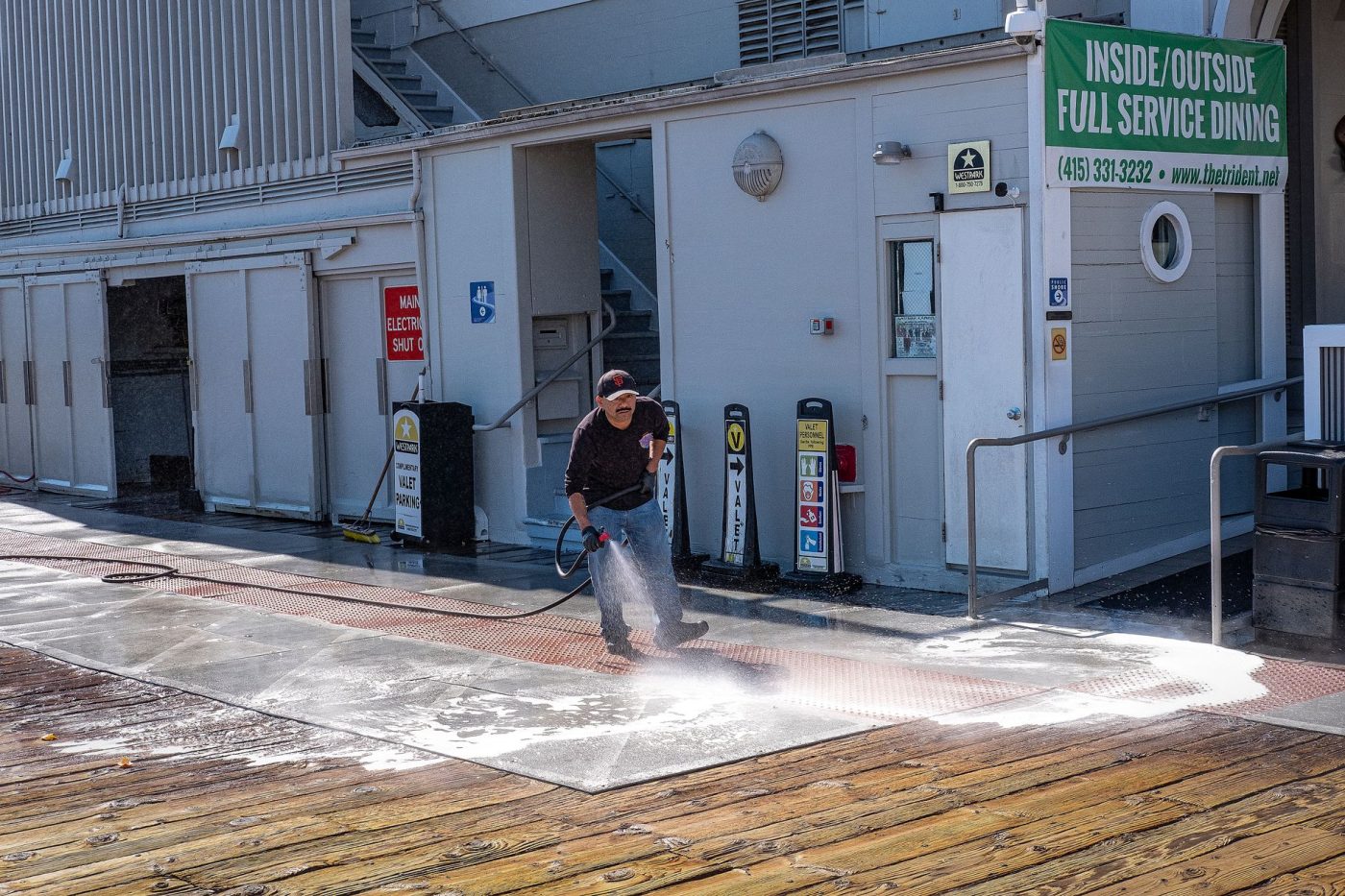
Prep decides how long the coating lasts, and no brand makes up for a dirty or chalky surface. Paint bonds to what is under it, so a film of dust, mildew or oxidized chalk keeps the new coat from gripping the siding. A washed, scraped and primed wall can hold its finish for years, while the same paint over a neglected wall starts peeling within a season or two.
Work through these steps before the first brush touches the siding:
- Wash the siding with a pump sprayer and a soft brush, then rinse it thoroughly and let it dry.
- Scrape loose and blistered paint down to a sound edge, and sand the transition smooth.
- Fill cracks and joints with exterior-grade caulk rated for paint, and let it cure.
- Spot-prime bare wood, patched areas and knots with a stain-blocking exterior primer.
- Check the surface by hand: it should feel chalk-free and dry before you open the paint.
When should you hire a painter instead?
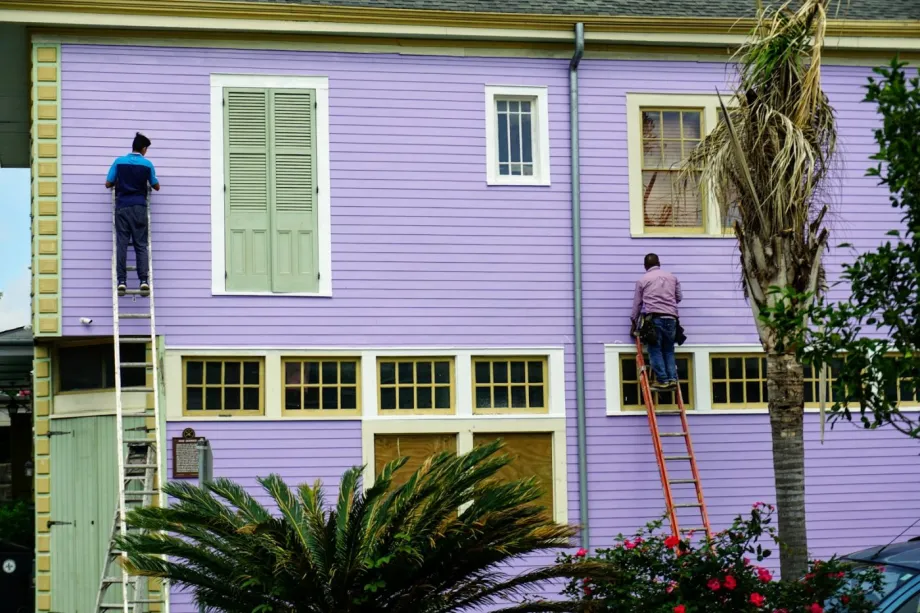
Some siding jobs are better left to a crew with ladders, scaffolding and sprayers. Two-story walls are the clearest case: working from an extension ladder while managing a roller and a paint pail is slow and risky, and a fall from 20 feet can cause serious injury. A painter sets up properly and covers the same wall in a fraction of the time.
Heavy peeling is another sign. When old paint comes off in large flakes, the wall needs scraping, sanding and spot priming before any new coat goes on, and that prep work accounts for most of the labor. Homes built before 1978 may have lead-based paint, which requires safe handling practices under EPA's Renovation, Repair and Painting rule. Weather windows matter too: many latex paints need recoating within a set window, and a pro can move fast enough to catch it between rain or before evening dew.
Frequently asked questions
Can you paint vinyl siding a darker color?
Usually not without checking the manufacturer's guidance. Dark colors absorb more heat, and vinyl panels can warp when they get too hot. If you want a deeper shade, choose a product rated for vinyl and stay within the light-to-medium range the siding maker allows.
Is 100% acrylic better than an acrylic blend for siding?
Yes for most siding. A 100% acrylic paint holds color and flexes with temperature changes better than a blend. Blends can work on a tight budget, but they tend to chalk and fade sooner on sun-facing walls.
Do you need a primer on siding that already has paint?
It depends on the surface. Sound, clean paint in good condition often takes a topcoat without a full primer coat. Bare wood, chalky or glossy surfaces, and bare fiber cement need a primer made for that material.
How long should exterior paint last on siding?
Most quality exterior paints are rated for several years of service, and the exact figure is printed on the label. Real life depends more on prep, sun exposure and moisture than on the number on the can.