How Long Does Exterior Paint Last?
Exterior paint usually holds up for 5 to 10 years, and where it lands in that range depends more on prep and surface than on the brand. Below is what shortens a paint job's life, how to tell it is time to repaint, and how to stretch the interval.
How long does exterior paint last?
Most exterior paint holds up between 5 and 10 years, and the surface it covers decides where in that range you land. Paint on fiber cement or brick siding often reaches the high end, while wood trim and front doors in direct sun may need a refresh in 4 to 7 years. Stucco sits somewhere in the middle.
Two things set the number more than the brand does: how well the surface was prepped and what kind of coating went on. A bare, cleaned, primed surface gives paint something to grip, and a 100% acrylic coating flexes with the siding as it expands and contracts through the seasons. Thin coverage over chalky or dirty wood can peel within two or three summers no matter what label it carries.
What makes exterior paint fail sooner?
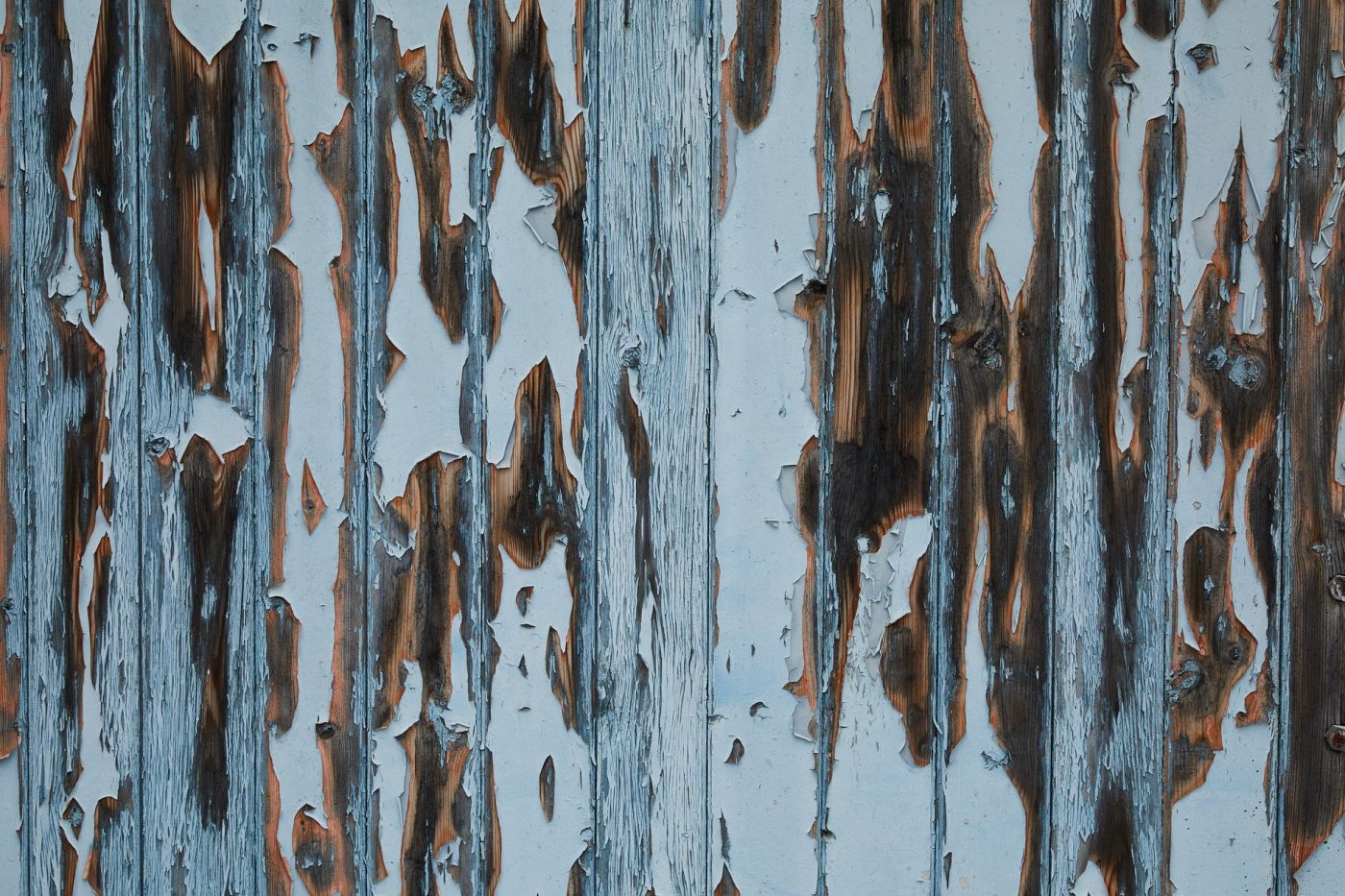
Water does the most damage, and it rarely comes from rain hitting the wall. Moisture gets behind the paint through cracked caulk, gaps around windows, and clogged gutters, then pushes the coating off from the inside. Sun breaks down the resin in the film and leaves a chalky surface that no longer sheds water.
Prep and product choices decide the rest. Paint applied over dirt, mildew or a glossy old coat cannot grip, and a coating made for wood will fail fast on masonry or bare metal. Skipped caulking leaves a joint that opens within a season or two.
- Water trapped behind the film by bad caulk or backed-up gutters
- Constant sun on south and west walls
- Painting over dirt, chalk or a glossy surface
- An interior-grade or wrong-surface product
- Thin coats sprayed on without enough mils
How does climate affect paint life?
Sun and moisture decide most of the range. A house in the Southwest, where intense UV breaks down the binder in the paint, often lands at the low end of the interval, around 5 to 7 years on sun-baked walls. The same paint on a shaded wall in a mild coastal climate can hold up noticeably longer.
Freeze-thaw cycles work differently. Water gets into small cracks, freezes, expands and pushes the paint off the surface. Homeowners in the Midwest and Northeast see this as peeling that starts on south- and west-facing walls, where the daily thaw-and-refreeze cycle repeats most often.
Humidity and salt air shorten the interval too. Coastal homes deal with salt spray that lifts paint from trim and lower siding, while humid regions like the Southeast encourage mildew that stains and weakens the film. Walk the exterior and note which walls get direct afternoon sun, where water sits after rain and whether any chalky residue rubs off when you touch the siding.
How do you know it is time to repaint?
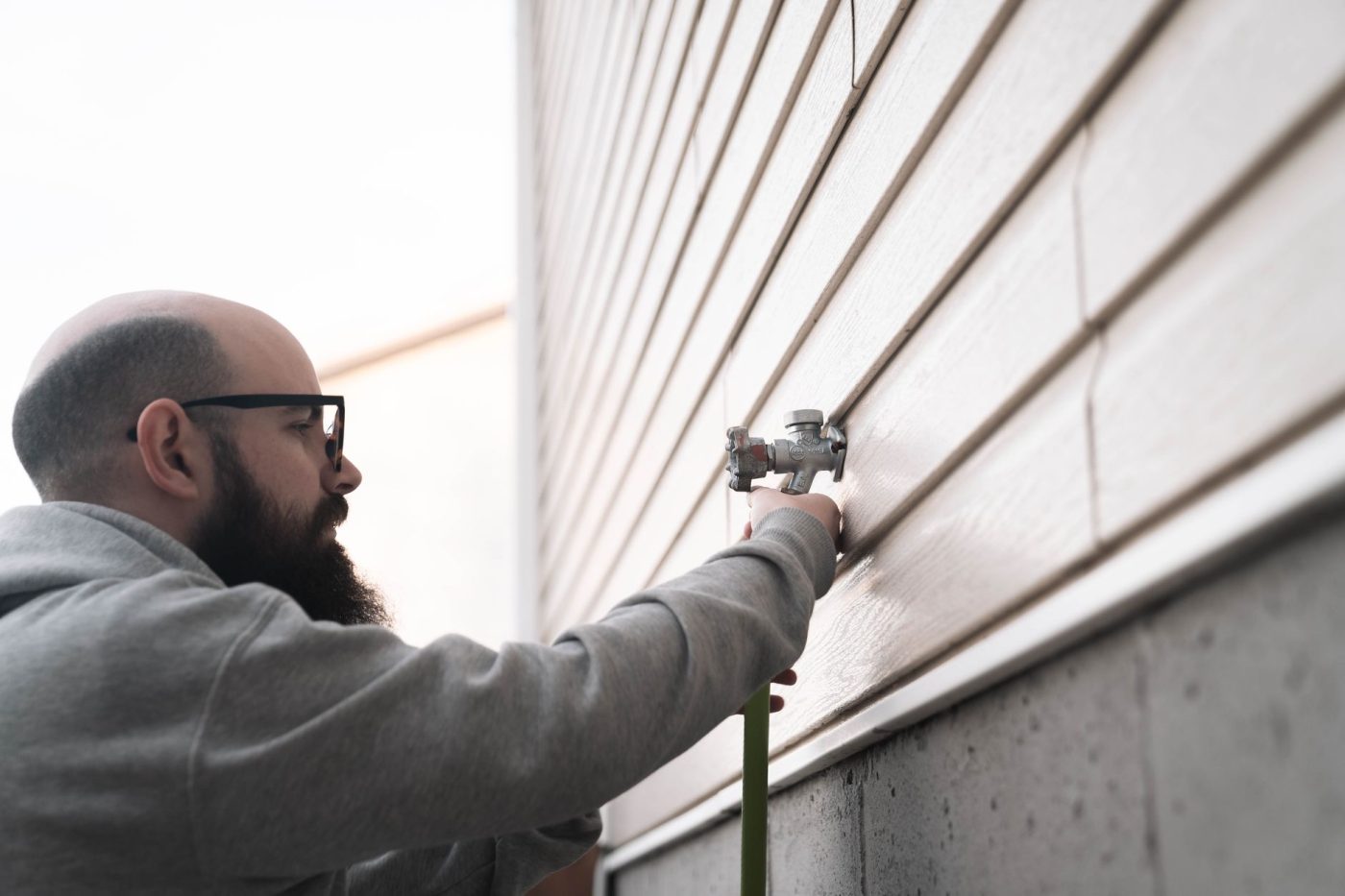
Walk the exterior once a year with a ladder and a flashlight, and check the same spots each time. Chalking shows as a fine powder on your hand when you rub the siding. That powder is the paint binder breaking down, and the coating has lost its grip on the surface.
- Fading means the pigment has broken down from sun exposure, and the color will not come back with washing.
- Hairline cracks spread with each freeze and thaw, and water gets behind them.
- Peeling paint has already lost its bond to the substrate, so scraping is the next step.
- Blistering looks like small bubbles and usually points to moisture pushing out from inside the wall.
- Bare wood or fiber cement showing through means the protective layer is gone and rot can start.
Any exposed substrate needs an immediate repaint. Blisters and peeling near windows or trim point to a leak that needs fixing before new paint goes on.
Does prep matter more than the paint?
Yes. Preparation decides how long the coating stays on the wall, and a mid-grade paint over clean, sound siding will outlast a premium paint applied over chalk and loose flakes.
Proper prep means washing off dirt and mildew, scraping anything that lifts, sanding the edges of bare spots, caulking open joints, and priming every patch of bare wood or metal. Each step gives the new coat something to bond to. Skip one and the failure starts there: unsealed joints let water behind the film, and unprimed patches soak up binder unevenly.
A cheap coating over bad prep peels within a season or two, so the money saved at the store buys an early repaint. Put the labor into the surface first, then choose paint you can afford.
Which surfaces last longest?
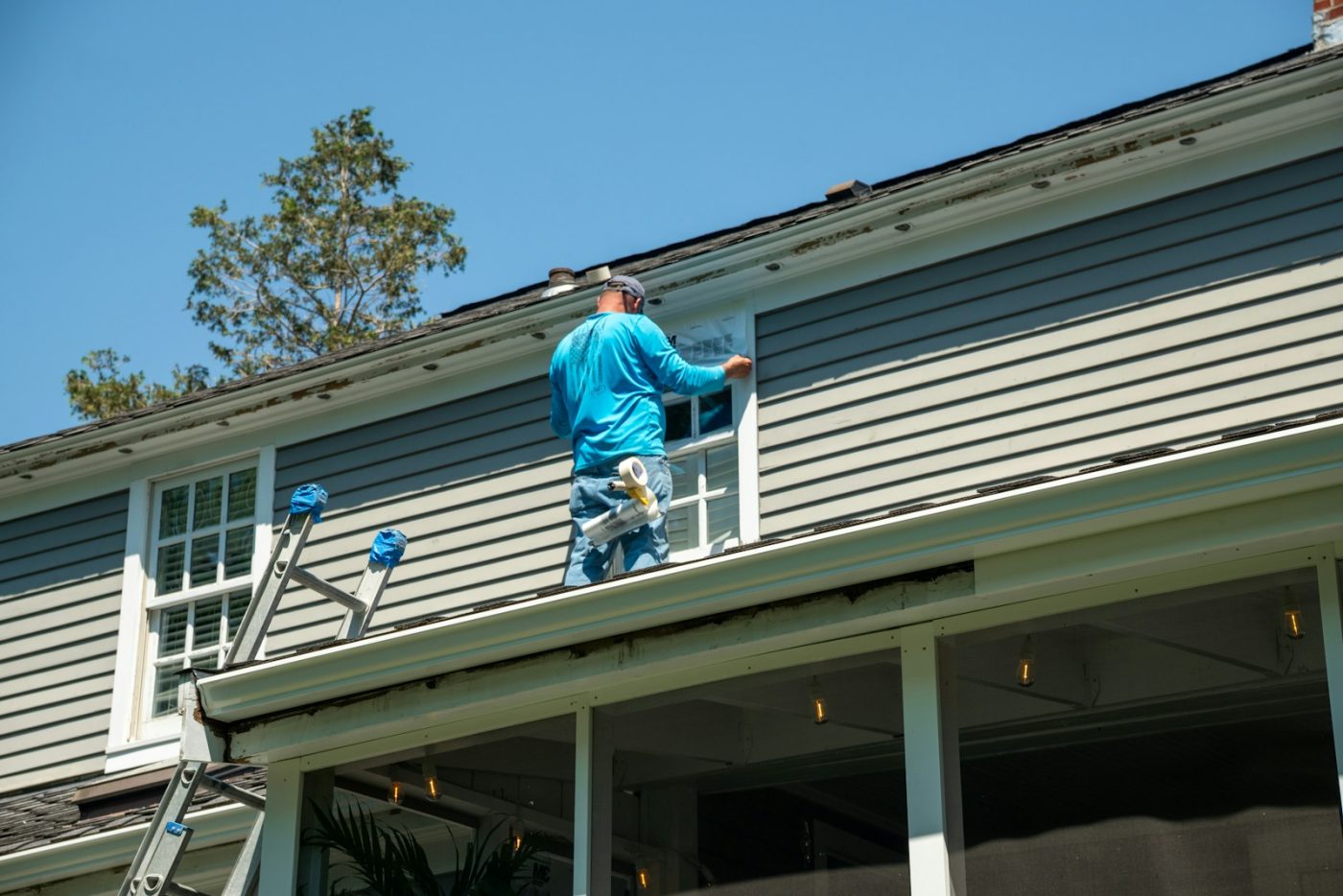
Aluminum and vinyl siding hold a factory finish for 15 to 20 years before it chalks or fades, and repainting pushes that clock back to the start. Wood and fiber cement take a fresh coat well but drink more of it, so they usually need attention every 5 to 10 years. Bare wood trim sits at the short end because end grain soaks up moisture at every joint.
Masonry behaves differently. Brick and stucco stay painted for 10 to 15 years when the wall was sealed before the first coat, but trapped moisture blisters the film from behind if it was not.
- Aluminum siding holds a coating longer than the other common exteriors.
- Fiber cement boards hold paint well but need a primer on cut edges.
- Cedar and pine siding take stain or paint every 4 to 7 years.
- Stucco lasts when it is sealed and cracks are filled first.
- Metal trim and gutters hold paint for years if rust is sanded off.
How can you make exterior paint last longer?
Most paint jobs lose years to moisture and dirt. A few hours of maintenance each season keeps water out of the siding and lets the coating do its job. These habits keep water out of the siding.
Wash the walls once a year with a garden hose and a soft brush, or use a pressure washer on a low setting from several feet away. Dirt holds moisture against the paint and feeds mildew, especially on north-facing walls that get little sun.
- Clean gutters every fall so overflow does not run down the siding.
- Trim shrubs back at least a foot from the walls to let them dry after rain.
- Rinse off mildew with water and a mild detergent, then let the wall dry.
- Touch up bare spots and chips as soon as you spot them, since exposed wood absorbs water fast.
- Check caulk around windows, doors, and trim each spring and replace cracked beads.
- Redirect downspouts and sprinklers so they never spray the painted surface.
Frequently asked questions
Does exterior paint last longer on wood or vinyl?
Factory-finished vinyl usually needs no paint at all, while painted wood typically needs a fresh coat sooner than fiber cement or masonry. On any surface, the prep and the primer matter more than the siding type alone.
Can I paint over peeling exterior paint?
No. New paint will fail along with the layer under it. Peeling areas need to be scraped back to sound material, sanded, primed and then painted.
How often should I wash exterior walls?
Washing once a year removes dirt, pollen and mildew that hold moisture against the coating. A soft wash with a garden sprayer and a brush is enough for most siding.
Is it cheaper to repaint on schedule or wait?
Repainting before the substrate is exposed usually costs less, because the crew can clean and coat instead of repairing rot, siding or trim. Waiting until paint is peeling adds prep work to the job.